

Conference & Workshop Engagements
Dr. Albert Antwi-Boasiako has established himself as a distinguished speaker and thought leader in the field of cybersecurity and digital governance. His extensive participation in international conferences and workshops has contributed significantly to shaping global discourse on cybersecurity policy, digital transformation, and technological innovation.
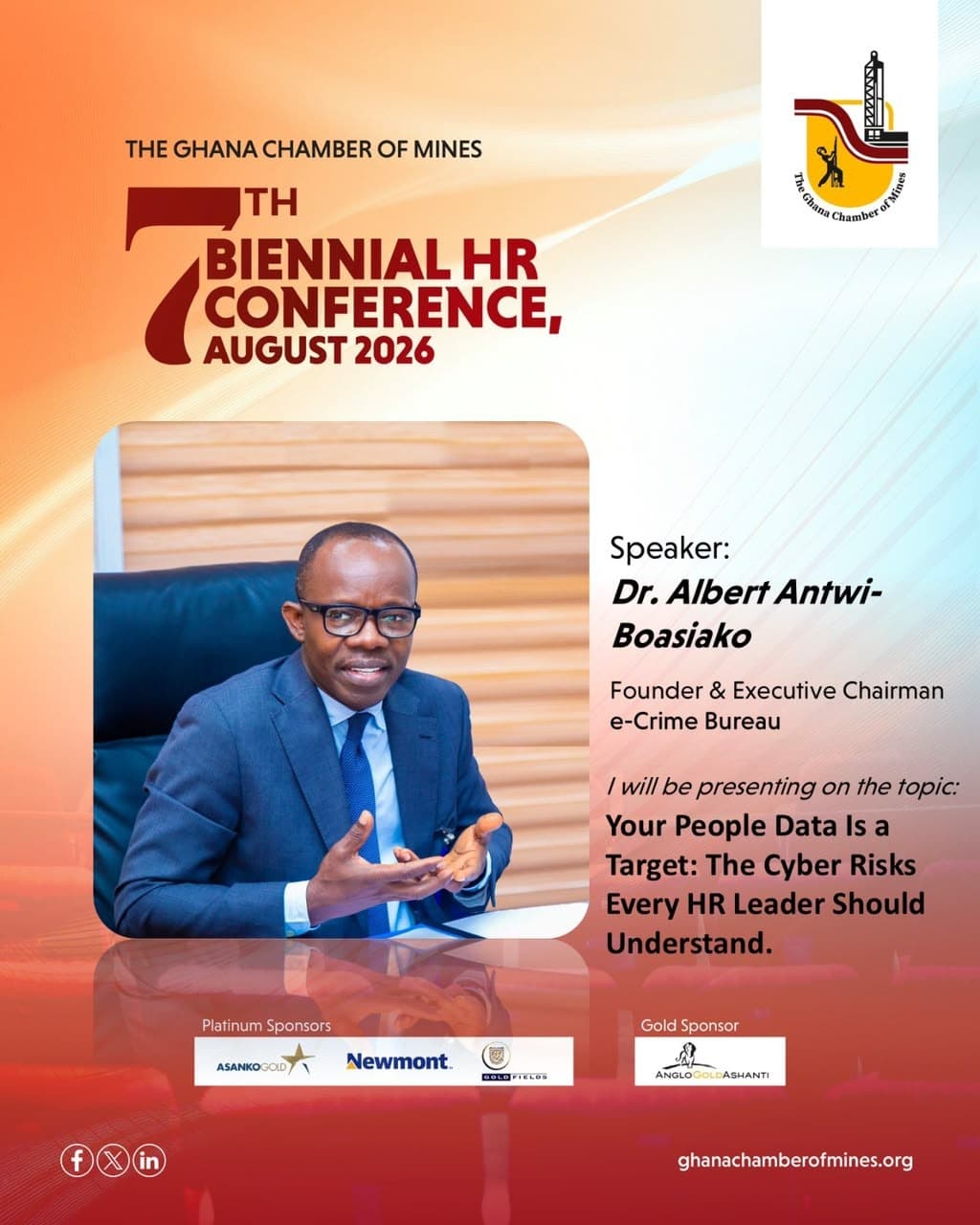
7th Biennial HR Conference
In H1 2026 alone, 471 million breach victim notices were reported, according to the Identity Theft Resource Centre (ITRC) H1 2026 Data Breach Report—already surpassing the 297.5 million notices recorded throughout 2025. The average cost of a data breach stands at $4.96M (IBM, 2025), while Human Resources (HR) and payroll systems have reportedly exposed 12.6 million employee records globally (SkillPanel). Moreover, 60% of breaches involve a human element, including social engineering, credential theft and insider error (Verizon DBIR, 2025)." At the just-ended 7th Biennial HR Conference, where I represented the e-Crime Bureau and delivered a presentation on the topic " Your People Data is a Target: The Cyber Risks Every HR Leader Should Understand," I highlighted the above-mentioned business and people statistics, reinforcing a critical reality: cyberattacks rarely come through the firewall; they often come through people. My presentation encouraged HR executives within Ghana’s mining sector to know the data they hold and the systems that host it; verify information before acting; govern the use of AI; demand accountability from third-party vendors; and build a cyber-aware culture across their organisations. In an ever-evolving digital threat landscape, HR is no longer simply managing employee records. HR executives are stewards of workforce data, organisational resilience and digital trust. My sincere appreciation to the Ghana Chamber of Mines for the invitation and for providing a platform to advance this important conversation.

IoD-Gh Monthly Seminar:Results Driven Public Sector Leadership
It was an honour to engage with members of the Institute of Directors-Ghana (IoD-Ghana) during a virtual seminar on Results Driven Leadership in the Public Sector, where I shared reflections from my book, "The Republic: A Professional Journey, Ghana’s Cybersecurity and the Making of a Role Model Country," and lessons from Ghana’s cybersecurity transformation journey. Our discussion extended beyond cybersecurity to explore the leadership principles that drive sustainable public sector transformation. We reflected on building resilient institutions, navigating bureaucracy effectively, fostering collaboration across stakeholders, and translating vision into measurable outcomes for citizens. These are lessons that remain relevant to leaders across all sectors who are committed to delivering lasting impact.
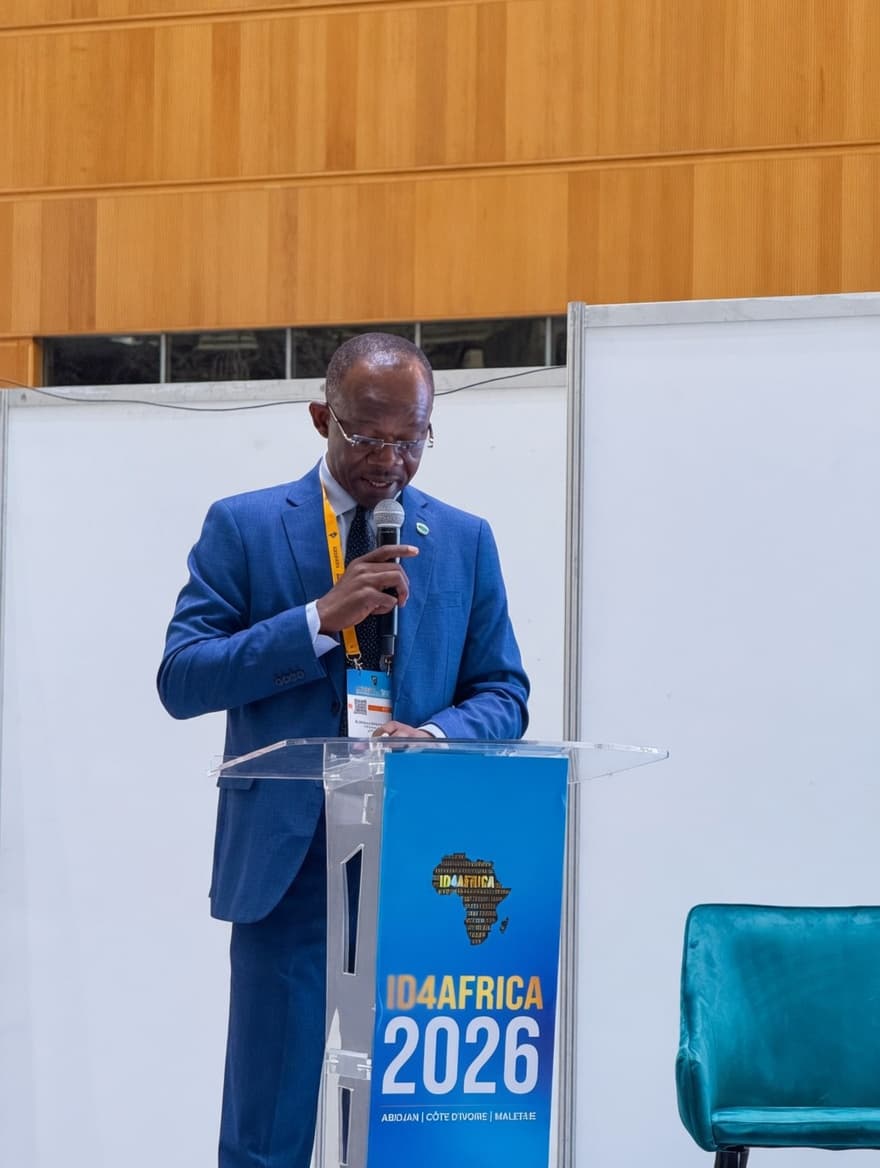
ID4Africa Conference
A national identity system is not merely a technology platform; it constitutes a critical national ecosystem that underpins national development in an increasingly cyber-centric society. Its success depends on cybersecurity by design—protecting citizens’ data, preserving trust, and ensuring resilience against evolving digital threats. This formed a key theme of e-Crime Bureau’s presentation at the ID4Africa 2026 Annual General Meeting, held from May 12–15, 2026 in Abidjan. As part of the Bureau’s ongoing Africa-focused engagements, its Executive Chairman, Dr Albert Antwi-Boasiako, represented the organisation during the session on “Securing Identity as Critical Information Infrastructure: Policy & Legal Frameworks,” alongside Brigadier General Guelpétchin OUATTARA, Director General of the National Agency for Information Systems Security (ANSSI) Côte d’Ivoire. The event convened African governments, digital identity authorities, development partners, technology providers, cybersecurity experts, and private sector leaders to discuss the future of digital identity, Digital Public Infrastructure (DPI), and trusted digital public ecosystems across the continent. The conference, themed “Digital Identity: From DPI to Digital Public Ecosystems,” focused on strengthening secure, inclusive, interoperable, and resilient digital ecosystems to advance Africa’s digital transformation agenda. The engagement provided an important platform for contributing to continental discussions on cybersecurity governance, digital trust, data protection, and institutional resilience within emerging digital identity ecosystems.
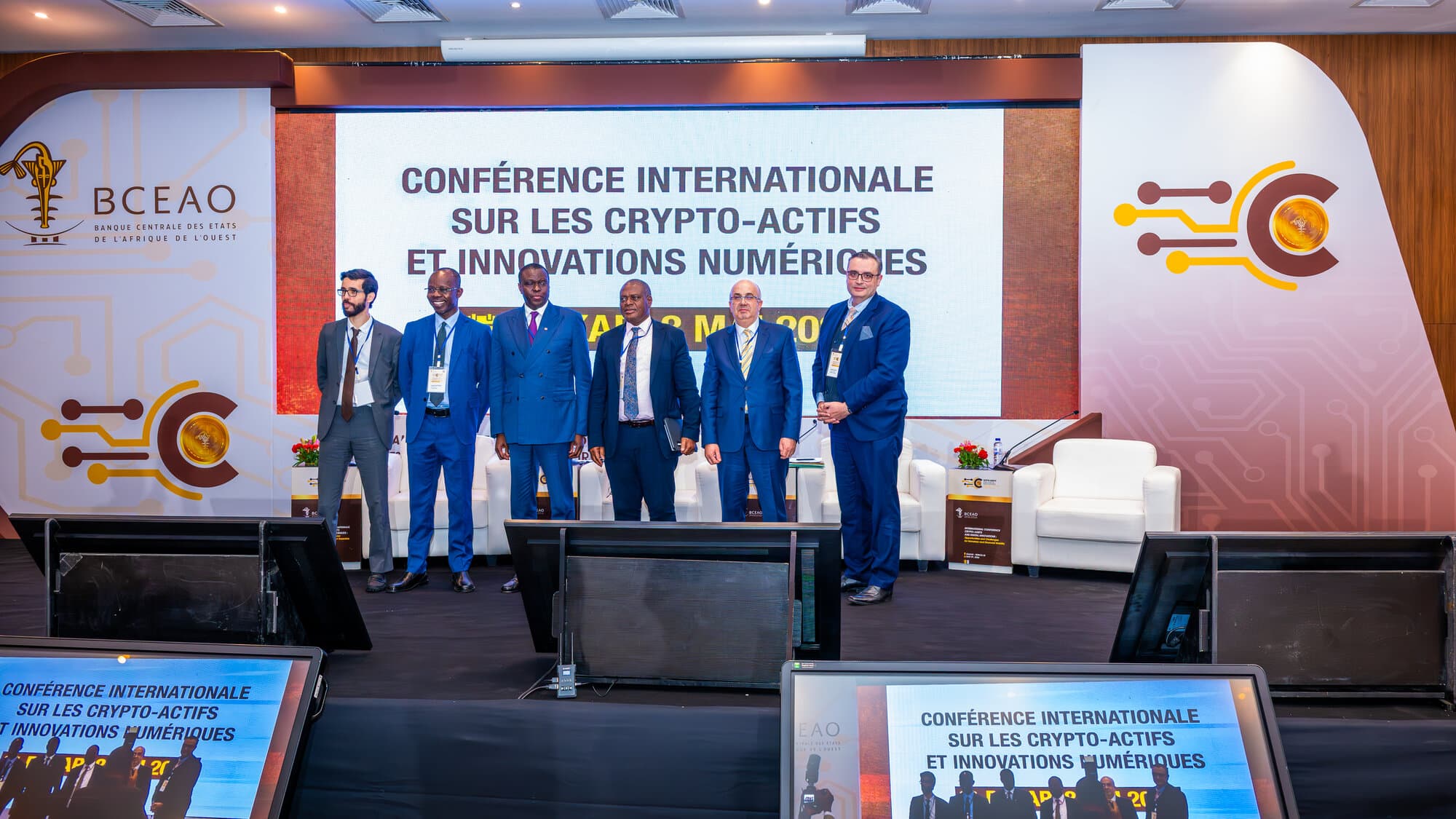
BCEAO Conference
Central Bank of West African States (BCEAO) organised the International Conference on Crypto-assets and Digital Innovations: Opportunities and Challenges for Monetary and Financial Stability on May 8, 2026. Dr. Albert Antwi-Boasiako participated in the conference as a keynote speaker, where he delivered a presentation on “Cybersecurity, Financial Integrity, and Central Bank Data Protection” alongside distinguished international experts. Drawing on nearly two decades of experience across Africa in both the public and private sectors, Dr. Antwi-Boasiako’s presentation examined the evolving cyber threat landscape on the continent and its implications for central banks and financial stability. His presentation highlighted key risks including ransomware, AI-enabled attacks, insider threats, supply chain vulnerabilities, and data integrity concerns. He also engaged central bank governors and financial sector stakeholders on strategies to mitigate emerging risks associated with the adoption of stablecoins in the region. The conference brought together central bank governors, financial regulators, cybersecurity experts, academics, and fintech leaders to explore the opportunities and challenges that crypto-assets and digital innovation present for monetary and financial stability, particularly within the African context.
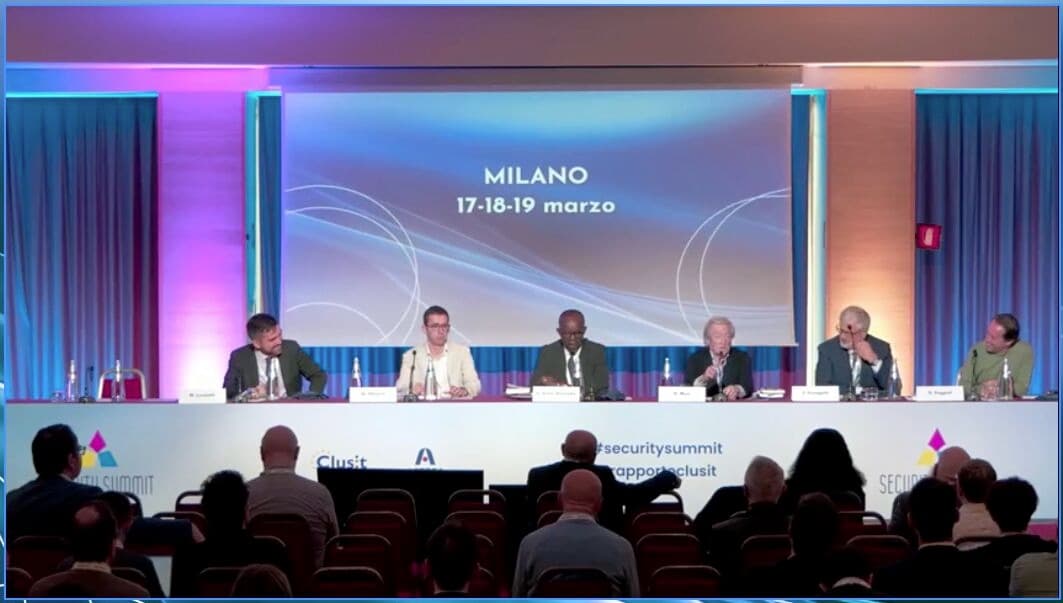
Security Summit Milano 2026
Africa’s population is growing at approximately 2.2%–2.3% annually, the fastest rate globally, according to United Nations population estimates.. Key sectors, including digital development and cybersecurity are growing at a rate that requires strategic investment and partnerships. According to the ITU Global Cybersecurity Index (2024), Africa achieved an average score of approximately 57%, marking notable progress from 21% in 2017. This is where Italy sees opportunities. At the just ended Security Summit Milano 2026, I shared my perspectives and insights on the topic “Cybersecurity and Africa: A Market or Opportunity for Collaboration and Partnership?” where I advocated for partnerships between Italian and Africa enterprises with excellent engagements outcomes!
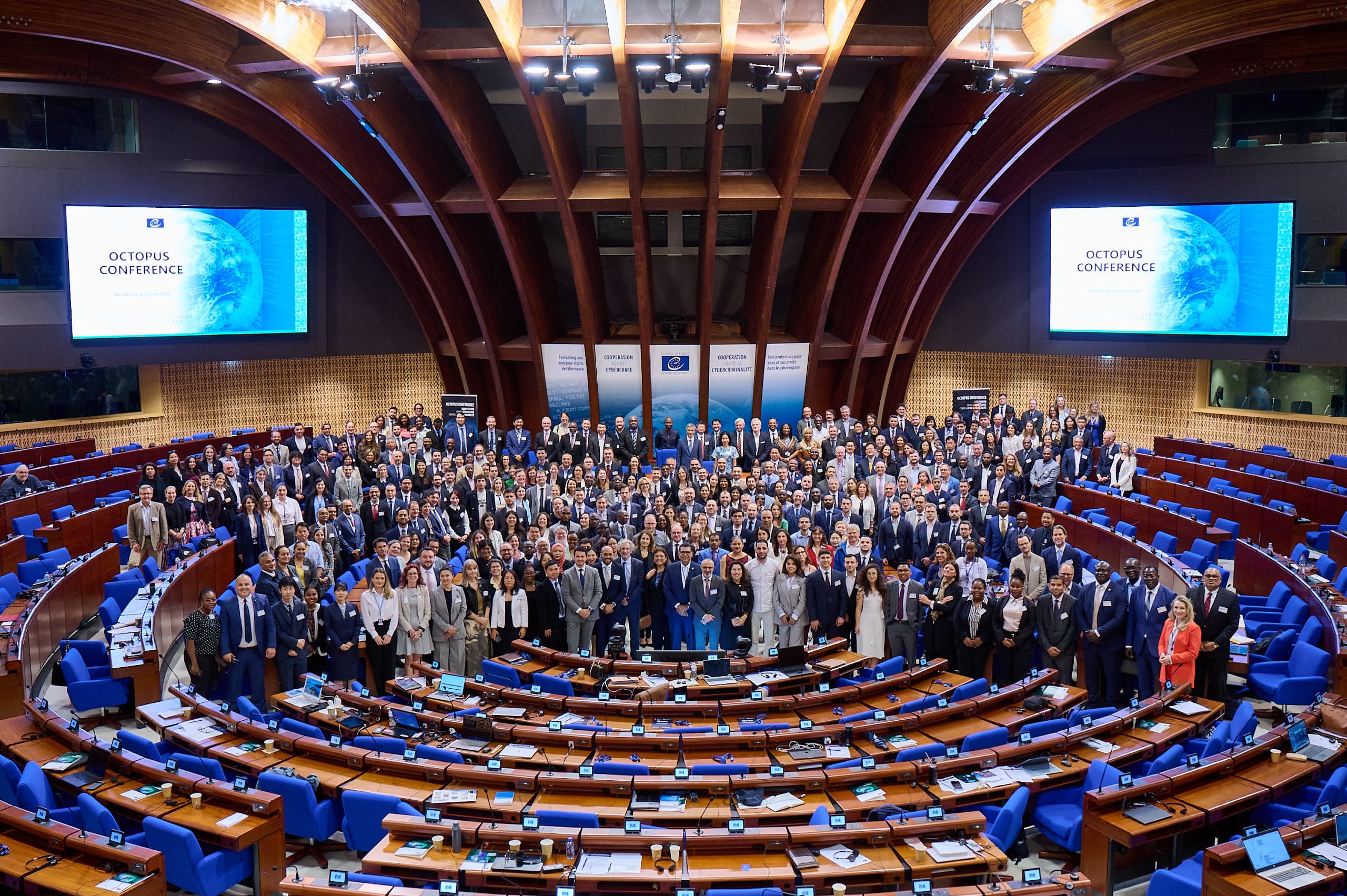
Octopus Conference 2025
Mainstreaming of cyber interference in democratic processes, particularly in elections where internal political actors consider cyber interference as part of election operations strategy is an emerging disturbing dimension of cyber interference whereby electoral interference actors are not only external actors but internal actors, capable of undermining the integrity of the elections from within. These developments were observed in a number of elections in 2024, including 13 elections held on the African continent. Such a development; if unchecked could become ‘the new norm’ of cyber interference especially when deterrence mechanisms are weak or in some cases non-existent to deter such malign cyber actors. My book, the "The 10 Commandments for Sustainable National Cybersecurity Development - African in Context: Practical Lessons & Good Practice” provide some perspectives including legislative response to guide nations on mitigating such disturbing trends. The panel discussion on Cyber interference with Democracy at the just ended Octopus Conference held in Strasbourg from June 4-6, 2025, was a perfect forum to deliberate on the issue. I extend my appreciation to the Council of Europe for the opportunity to share my perspectives on such developments on the African continent.
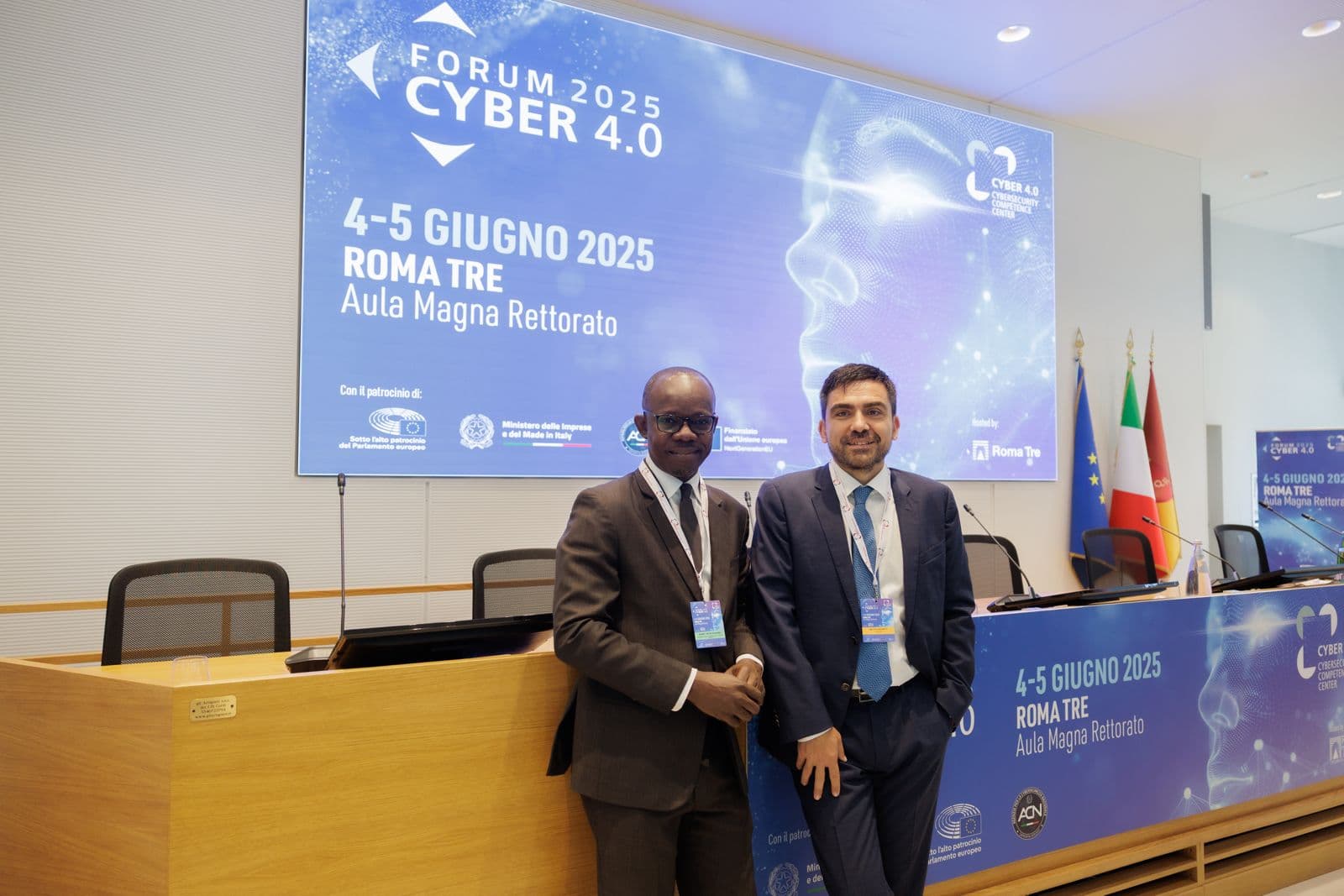
Forum Cyber 4.0
Leveraging on international partnerships for capacity building are effective approaches to advancing national cybersecurity capabilities, as highlighted in Commandment VI and Commandment IX of my book The 10 Commandments for Sustainable National Cybersecurity Development - African in Context: Practical Lessons & Good Practice" The panel discussion on "Strategies and Cooperation in Cyberspace, Building Capacities for a Secure Digital Society", at the just ended Forum Cyber 4.0, did elaborate the above imperatives. My appreciation to the Cybersecurity Competence Center of Italy for extending an invitation

Multi-Sector Workshop on Countering Technology
Assisted and Enabled Terrorism in West Africa; Global Internet Forum to Counter Terrorism (GIFCT) and International Institute for Justice and the Rule of Law(IIJ), Valletta, Malta.
Prague Cyber Security Conference
Keynote Address under the theme 'Invisible Frontlines'